
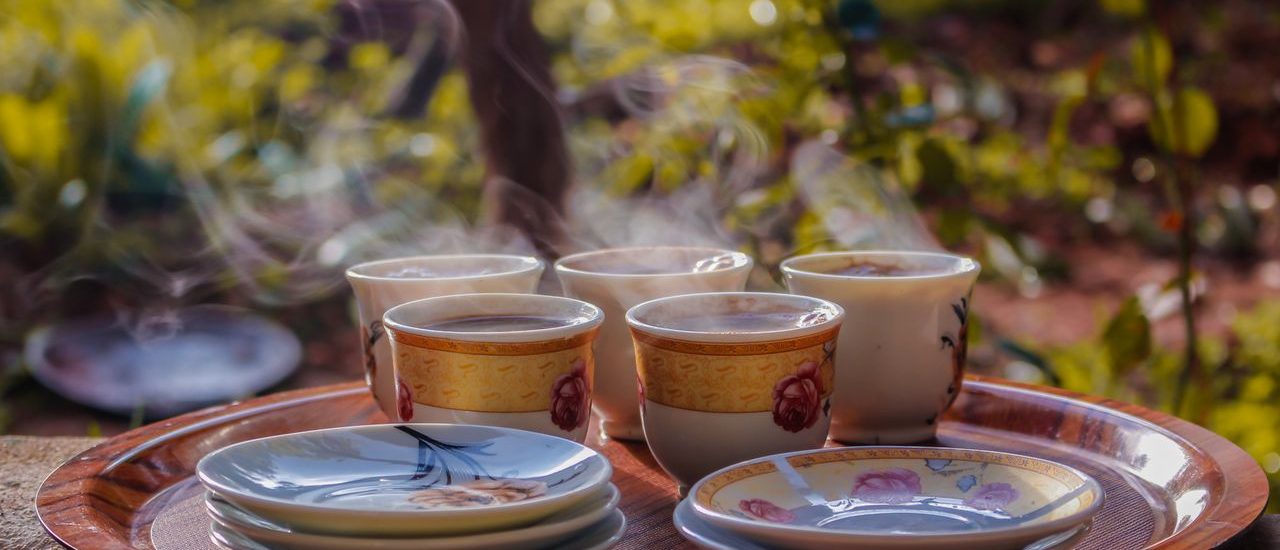
Ethiopia is widely known as the birthplace of coffee, and coffee is much more than a simple drink here — it is a symbol of hospitality, friendship, and community.
For travelers visiting Ethiopia, experiencing a traditional Ethiopian coffee ceremony is one of the most meaningful cultural experiences. It offers a chance to connect with local people, learn about ancient traditions, and taste some of the world’s finest coffee.
The History of Coffee in Ethiopia
According to Ethiopian tradition, coffee was discovered in the Kaffa region of Ethiopia centuries ago. Today, Ethiopia remains one of the world’s most important coffee-producing countries, known for its unique coffee varieties and exceptional flavors.
Ethiopian coffee is famous for its:
- Distinct aromas
- Rich flavors
- Traditional preparation methods
- Connection to local communities
Coffee farming continues to play an important role in the lives of many Ethiopian families.
What Is an Ethiopian Coffee Ceremony?
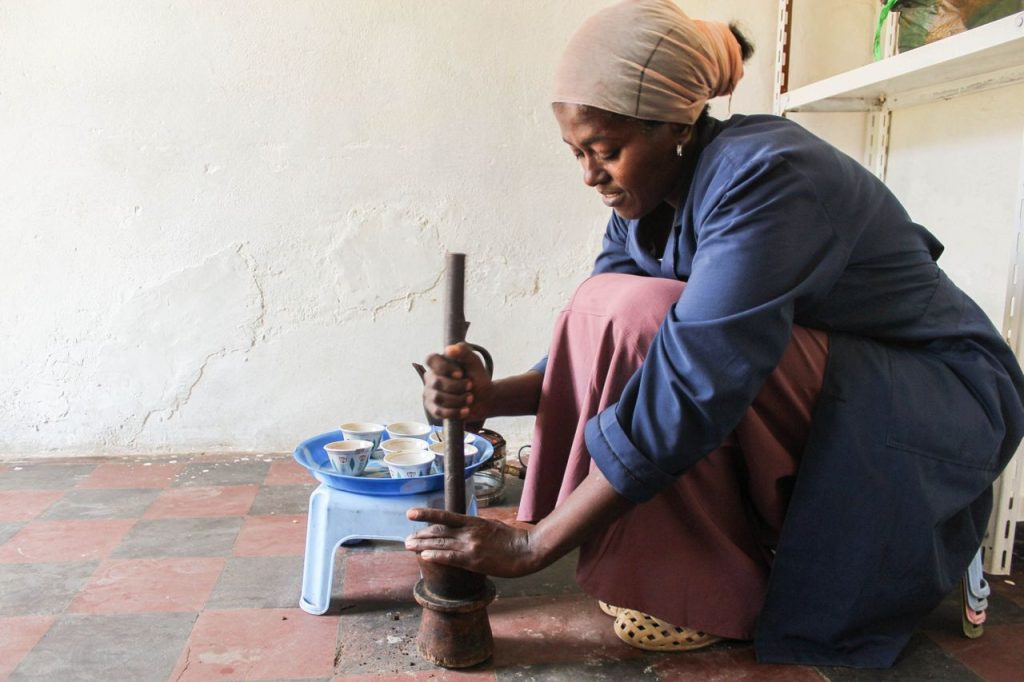
The Ethiopian coffee ceremony is a traditional ritual where coffee is prepared and served with care.
The ceremony usually begins with:
- Washing and roasting green coffee beans
- Grinding the freshly roasted beans
- Brewing the coffee in a traditional clay pot called a jebena
- Serving coffee to guests in small cups
The process is often accompanied by conversation, storytelling, and a warm welcome from the host.
The Meaning Behind the Ceremony
The coffee ceremony represents much more than drinking coffee. It is a time for:
Hospitality
Guests are welcomed and treated with respect.
Connection
Families, friends, and communities gather together to share conversations.
Tradition
The ceremony preserves cultural practices passed down through generations.
For many Ethiopians, offering coffee is a way of showing kindness and building relationships.
The Three Rounds of Ethiopian Coffee
Traditionally, coffee is served in three rounds:
1. Abol
The first and strongest serving of coffee.
2. Tona
The second serving, usually lighter than the first.
3. Baraka
The final serving, whose name means “blessing.”
Completing all three rounds is considered a sign of respect and appreciation.
Where to Experience Ethiopian Coffee Culture
Travelers can experience authentic coffee traditions throughout Ethiopia, including:
Addis Ababa
The capital offers many traditional coffee houses and cultural experiences where visitors can enjoy freshly prepared Ethiopian coffee.
Kaffa Region
Known as one of the historic origins of coffee, Kaffa offers beautiful landscapes and coffee farm experiences.
Sidama and Yirgacheffe
These regions are famous worldwide for producing high-quality specialty coffee.
Local Villages
A village coffee ceremony provides one of the most authentic ways to experience Ethiopian hospitality.
Ethiopian Coffee and Food Pairings
During a traditional coffee ceremony, coffee is often enjoyed with:
- Fresh popcorn
- Roasted grains
- Traditional snacks
- Local bread
These simple foods make the experience even more memorable.
Why Every Traveler Should Experience Ethiopian Coffee
A coffee ceremony gives visitors the opportunity to experience Ethiopia beyond sightseeing.
It allows you to:
- Meet local people
- Learn about Ethiopian traditions
- Taste freshly prepared coffee
- Understand the cultural importance of hospitality
- Create unforgettable travel memories
Experience Ethiopian Coffee With Limalimo Ethiopia Tours
At Limalimo Ethiopia Tours, we help travelers discover the authentic side of Ethiopia through cultural experiences, local connections, and unforgettable journeys.
Whether you are exploring Addis Ababa, visiting coffee regions, or creating a customized Ethiopian adventure, we can include a traditional coffee ceremony as part of your experience.
Email Address:
Mail us: info@limalimoethiopiatours.com
Additional Email:
limalimotour@gmail.com
Phone Numbers:
Call or WhatsApp: +251 924 367 288
Contact Us:
https://limalimoethiopiatours.com/contact/
Discover Ethiopia’s coffee culture and experience the tradition that connects generations.